Toyota Proace Verso Electric
A 9-seat electric minibus offering comfort, space, and sustainability
An all-electric MPV that is smart, spacious, and reliable
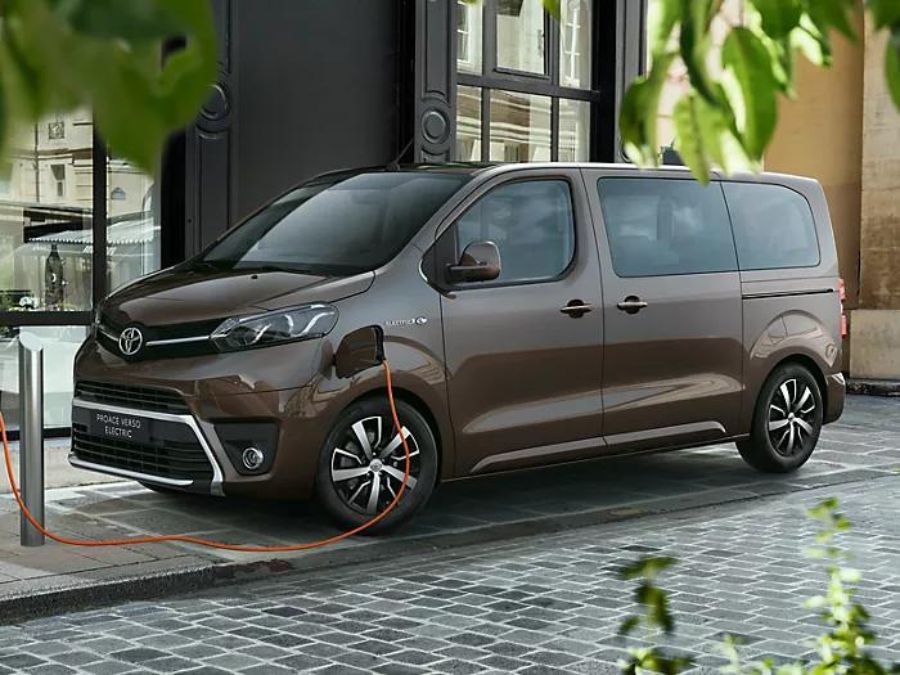
The Toyota Proace Verso Electric is powered by a 100kW electric motor that is quiet and smooth. The 75 kWH battery gives a WLTP range of between 200 and 220 miles *depending on the trim level, weight of the vehicle (passengers and luggage), the types of roads you’re driving, and the electric your using inside the car – like air con or heating. So you can confidently complete close-to-home drop-offs and pick-ups or undertake longer journeys.
Charging the Proace Verso Electric is straightforward, with multiple options available to suit different needs. It supports both AC and DC fast charging, allowing you to recharge the battery from 10-80% in 45mins approx (based on a fast150kW charger).
For schools or organisations with access to a fast charging station, this can mean minimal downtime between trips. For slower charging at home a full charge using a standard wall box takes about 7 hours, making overnight charging convenient.
For the passenger
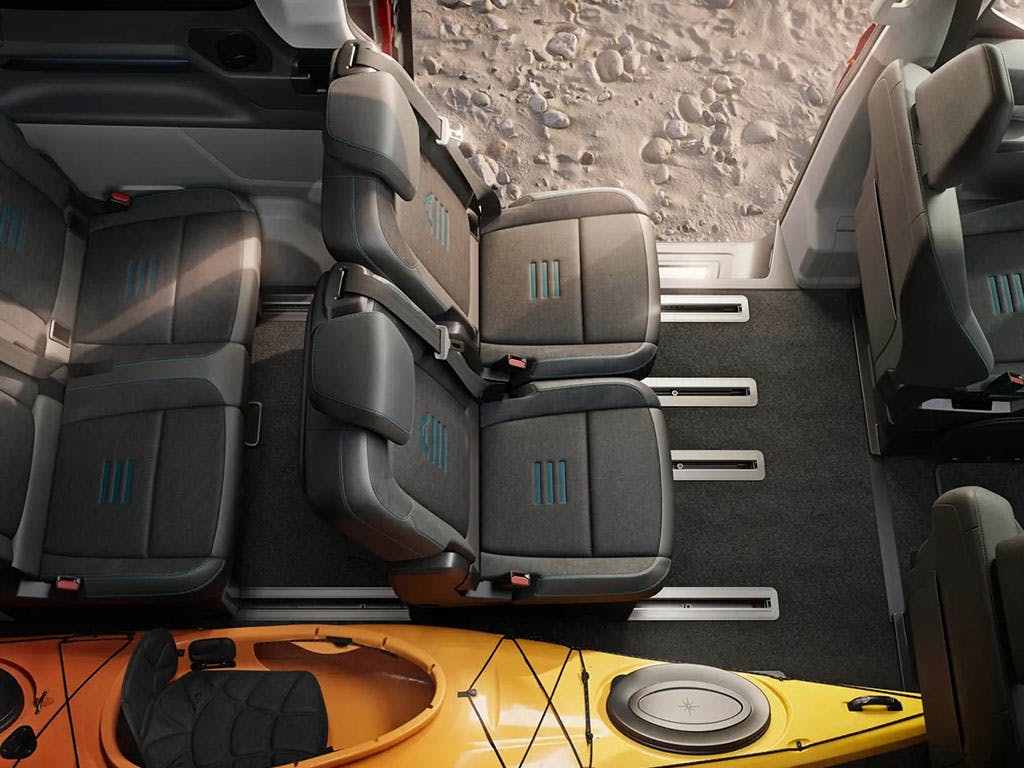
The Proace Verso Electric does not compromise on the practicality that the Proace is known for. It offers the same flexible seating options as its diesel counterpart, with room for up to 8 passengers. The modular seating can be adjusted to prioritise either passengers or their luggage, making it versatile enough for various needs, from transporting students to carrying sports equipment.
Comfort and technology have not been overlooked. The quiet electric motor makes for a more relaxing ride, and the infotainment system features smartphone connectivity, navigation, and more, ensuring that drivers and passengers stay informed and entertained.
For the driver
Toyota has equipped the Proace Verso Electric with a range of safety features designed to protect passengers. These include advanced driver assistance systems such as lane departure warning, adaptive cruise control, and automatic emergency braking. The electric version maintains the same structural integrity and safety standards as the combustion-engine models, making it a secure choice for transporting people. The regenerative braking system is effective, helping to extend the driving range by recovering energy during deceleration.
Costs and the Environment
With electric vehicles, it’s important to consider the long-term savings. Operating costs for EVs are generally lower due to cheaper electricity compared to fuel, and reduced maintenance needs (thanks to fewer moving parts). For schools, businesses, and other organisations, these savings can make a significant difference over time, especially if you are paying to enter low-emission or clean air zones.
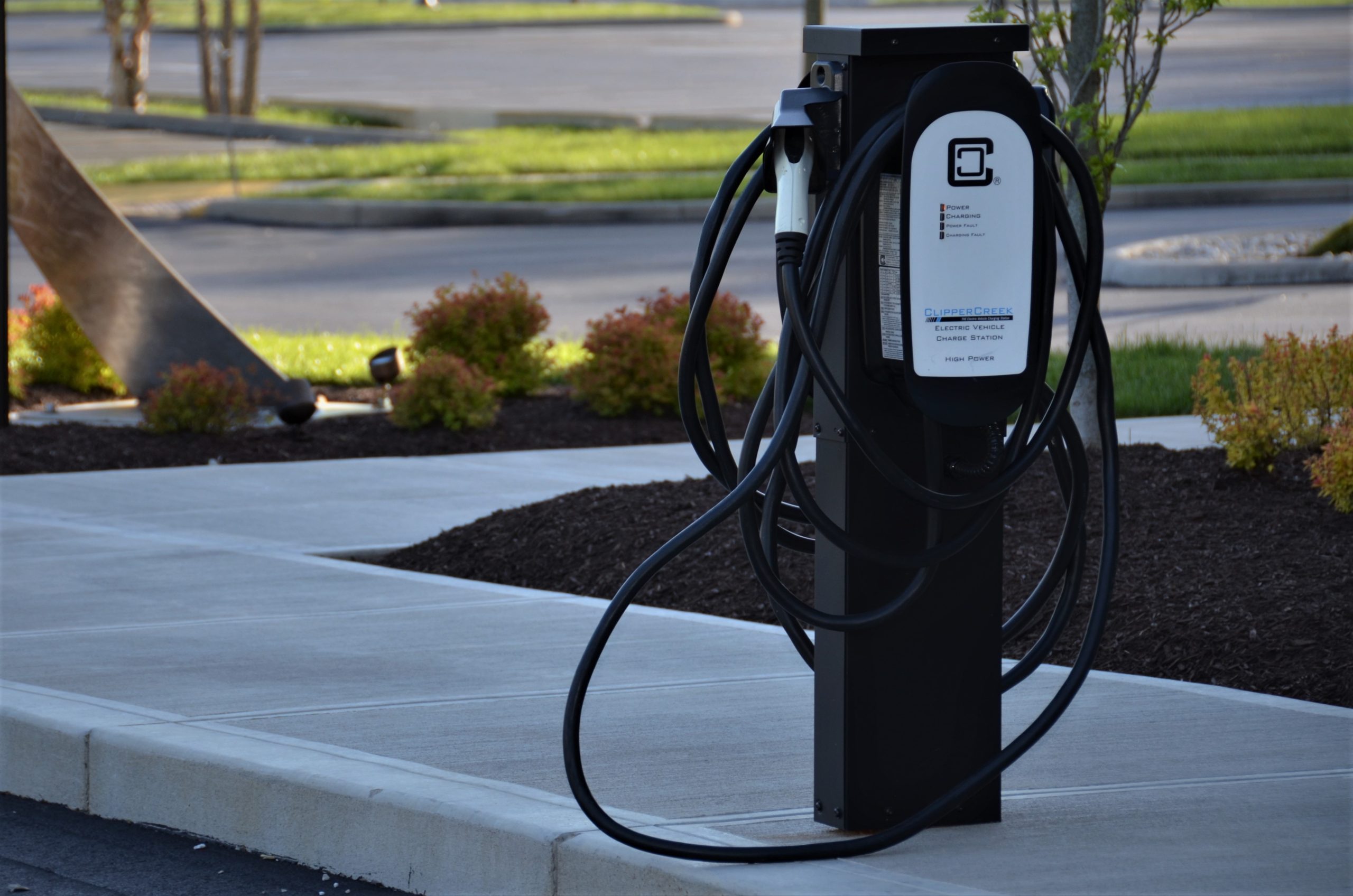
Electric minibus charging and battery information
| Toyota Proace Verso Electric | |
|---|---|
| WLTP Range | 206 to 214 miles depending on the specific trim and configuration |
| Real World Range | 140 – 160 miles |
| Onboard Charging Rates & Limits | |
| AC onboard charging | 11 kW standard |
| DC rapid charging | Up to 100 kW CCS (Combined Charging System) |
| AC charge time (0-100%) | Approx. 7.5 hours with 11kW |
| DC charge time (10-80%) | Approx. 45 minutes on a 100 kW |
Currently (Aug 2026) the largest capacity electric minibuses on the UK market is 16 seats. Both the Ford eTransit and the MAXUS eDeliver9 have 15 passenger seats plus the driver. The advantage of these larger electric minibuses is that because of a change in UK legislation, they can be driven on a standard car licence (conditions apply).
Yes you can. The Toyota Proace Verso Electric and the Citroën ë-SpaceTourer are both 9-seats (8-passengers plus the driver).
When considering an electric minibus, it’s helpful to understand the difference between 7kW single-phase and 11kW three-phase charging, as it will determine how quickly your vehicle can be recharged.
- 7kW single-phase chargers are the most commonly installed electric vehicle chargers for homes and smaller businesses. It uses a standard single-phase electricity supply and is ideal for overnight charging.
Using a 7kW charger, a vehicle with a 68kW battery would take 9.7 hours to charge (battery size/charging speed = time to charge)
- An 11kW three-phase charger uses a three-phase electricity supply, which is commonly found in schools, commercial premises and industrial buildings. Because it can deliver more power to the vehicle, it reduces charging times and is often the preferred option for organisations operating larger electric vans and minibuses.
Using a 11Kw charger, a vehicle with a 68kW would take 6.1 hours to charge (battery size/charging speed = time to charge)
Many people also ask whether they can plug an electric vehicle into a normal three-pin household socket. The answer is yes, using the charging cable supplied with most electric vehicles, but this should generally be considered an emergency or occasional charging solution rather than one for everyday use.
- A standard UK three-pin socket provides around 2.3kW of charging power, meaning a large electric minibus battery could take well over 24 to 40 hours to fully recharge, depending on its size.
Using a 2.3kW charger, a vehicle with a 68kW would take 29.5 hours to charge (battery size/charging speed = time to charge)
Dwell time – consider your vehicle’s dwell time. How long will it sit unused daily or throughout the week? If you are only using your vehicle once or twice a week, then a 2.3kW might be sufficient for your needs. If you are looking to charge overnight from 9pm to 8am then it might be a single-phase charger might be sufficient, depending on the size of your vehicle’s battery. For shorter dwell times, you might need to consider a three-phase 11kW charger.
Electric vehicles use a range of technical terms and acronyms. Here’s a simple guide to some of the most common ones.
- AC (Alternating Current) – This is the type of electricity supplied to homes, schools and most workplaces. AC charging is typically used for overnight charging using a wallbox or charging point. The vehicle’s onboard charger converts the AC electricity into DC to charge the battery.
- DC (Direct Current) – DC charging is much faster because the electricity is converted before it reaches the vehicle, bypassing the onboard charger. Often referred to as rapid or ultra-rapid charging, DC chargers are commonly found at motorway services and public charging hubs.
- kW (Kilowatt) – A kilowatt measures charging power. The higher the kW rating, the faster the battery can be charged, provided the vehicle is capable of accepting that rate. For example, an 11kW charger will charge more slowly than a 50kW or 150kW rapid charger.
- kWh (Kilowatt-hour) – Don’t confuse this with kW. A kilowatt-hour measures the amount of energy a battery can store, rather like the size of a fuel tank. A larger battery (higher kWh) generally provides a longer driving range, although factors such as vehicle weight, driving style, and weather conditions also affect how far you can travel.
- CCS (Combined Charging System) – The most common rapid charging connector used by electric vans and minibuses across the UK and Europe. CCS allows both AC and DC charging through the same socket, making it the standard for most modern electric minibuses.
- Type 2 Connector – The standard plug used for AC charging in the UK and Europe. Most schools and organisations with onsite chargers will use a Type 2 connection for everyday charging. Save
- State of Charge (SoC) – Expressed as a percentage, this shows how much battery capacity remains. An SoC of 80% means the battery is 80% charged.
- Range – The estimated distance an electric minibus can travel on a full battery. Real-world range will vary depending on passenger numbers, terrain, outside temperature, use of heating or air conditioning and driving style.
- Regenerative Braking – A system that recovers energy when the driver slows down or brakes, sending it back to the battery to help extend the vehicle’s range and preserve brake pads and disks.
You will usually find that an electric minibus is more expensive to purchase or lease, compared to a diesel minibus, but running an electric minibus is cheaper due to lower energy costs, reduced maintenance needs, and tax or clean-zone exemptions.
- Electricity is generally cheaper per mile than diesel, especially if you use a smart charger with off-peak tariffs
- Electric motors are more efficient than diesel engines
- Fewer moving parts in less complex electric motors means less wear and tear and the need for maintenance
- Electric minibuses do not need oil changes of emission checks
- Regenerative braking uses the motor to slow down and so prevents brake pads and discs from wearing out as quickly as diesel vehicles.
- Although the blanket zero-emission exemptions for cars and light vans ended in April 2025, having a ZEV means you can often avoid congestion and ULEZ (Ultra low emission zones) charges.
Since the change in legislation in 2025, drivers with a standard car licence can drive ZEVs with a GVW (gross vehicle weight) up to 4250kg.

Contact us today
If you would like us to send you more information, ask a question or have a chat with one of our minibus experts, please fill in the form below.

