

LOLER and weight checks
Required checks on lifting equipment used at work, including lifts in wheelchair accessible minibuses
What is LOLER?
LOLER stands for the Lifting Operations and Lifting Equipment Regulations 1998. It’s a UK health & safety law that applies whenever lifting equipment is used at work — including wheelchair lifts on minibuses.
Under LOLER, the organisation that owns or controls the equipment must:
- Ensure the lifting equipment is fit for purpose and safe to use.
- Have it inspected and thoroughly examined at regular intervals by a competent person.
- Keep records of those examinations and any defects found.
This applies whether the minibus is run by a charity, a community transport service, a school, or a commercial operator.
LOLER is required every 6 months for minibus lifting equipment.

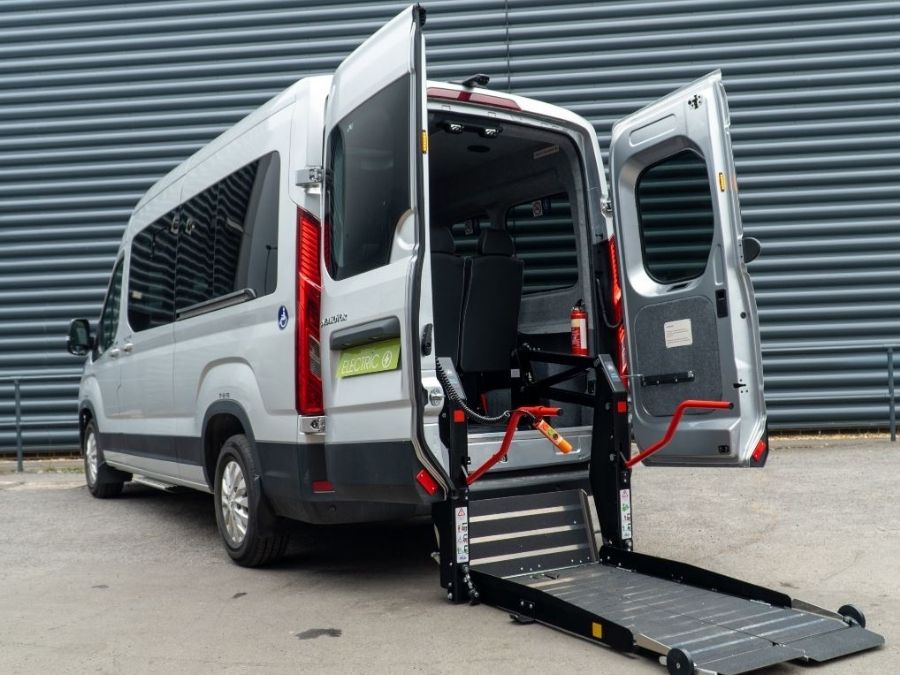
Why LOLER applies to wheelchair lifts on minibus
A wheelchair lift on a minibus carries people — which legally classifies it as lifting equipment that must be controlled under LOLER. Lifting a person (and their wheelchair) is considered a higher-risk operation, so stricter checks are required.
If the lift were defective, it could cause a fall or crush injury, so regular checks help prevent dangerous failures.
Examples of covered equipment include:
- Tail-mounted wheelchair lifts
- In-floor cassette lifts
- Onboard platform lifts
Rivervale Minibus provides LOLER inspections and wheelchair lift weight testing nationwide, helping operators, care providers, and councils stay safe, compliant, and audit-ready.
Our engineers will come to your premises to complete your inspections and checks, so you don’t have to worry about drop-offs or pick-ups. Just give us a call on 01869 253744 to get this organised.
What is a thorough examination for LOLER
- Wheelchair lifts must be thoroughly examined at least every 6 months because they lift people — and where people are lifted, risk is higher.
- These examinations must be done by a competent person (i.e., someone with the right technical knowledge and experience).
- A written report must be issued, documented, and kept on file.
A thorough examination is more than a simple visual check — it’s a systematic inspection to detect defects, wear, corrosion, hydraulic issues, mechanical problems, and anything that might make the lift unsafe.
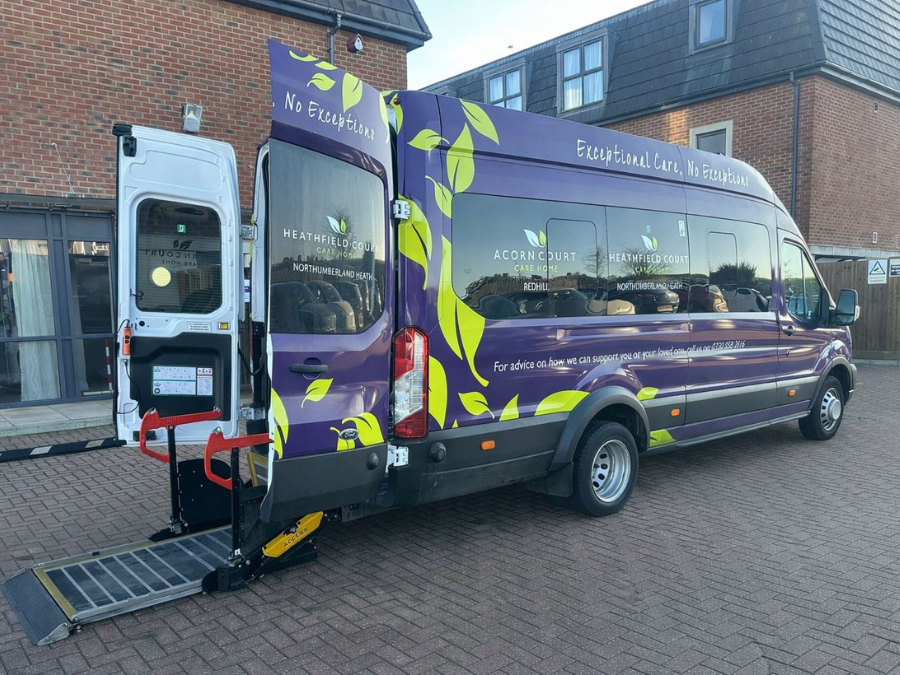
What is an annual weight check?
In many transport and community-vehicle maintenance practices (and often specified by the manufacturer and local operating policies):
- Weight testing (or load testing) is done annually to ensure the lift can safely handle its Safe Working Load (SWL).
- This means placing a calibrated load (usually weights that match or slightly exceed the lift’s rated capacity) on the platform and verifying the lift can raise and lower it reliably.
Weight testing is different from LOLER’s 6-monthly inspection — it’s focused on validating actual lifting performance under load. Some organisations require it to satisfy licensing, insurance, or licensing authority requirements.
Why are LOLER and weight checks required?
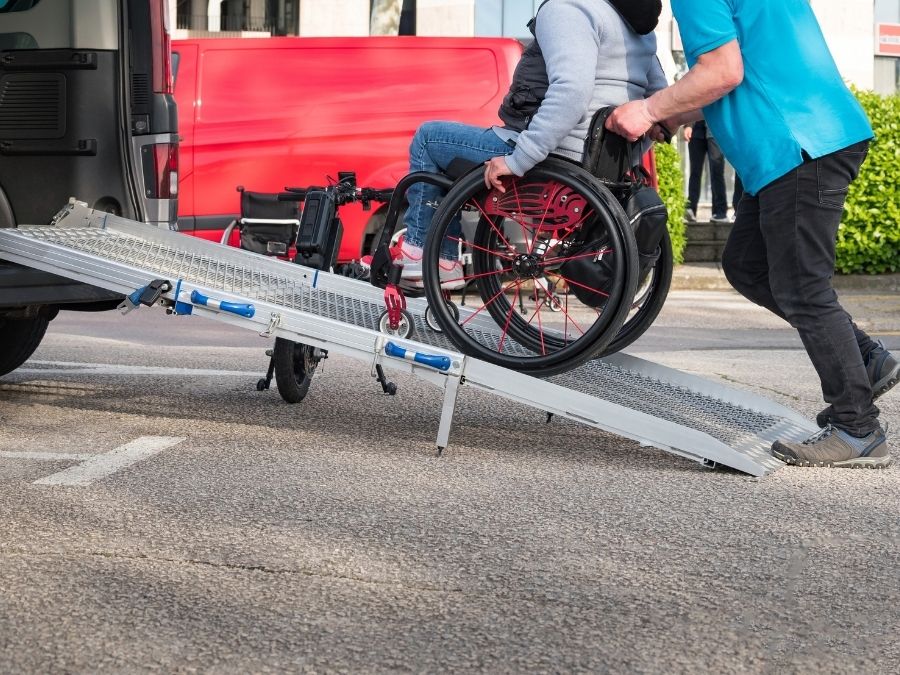
Do minibus ramps need LOLER and weight checks?
No, ramps do not physically lift anyone so they are not considered lifting equipment.
Even though LOLER doesn’t apply, you still have a duty of care under the Health & Safety at Work Act to
- Check manual or powered ramps daily
- Service powered ramps according to the manufacturer’s instructions
- Keep a simple inspection log for audits, insurance, or fleet safety checks. This is sometimes called a “routine maintenance check” rather than a LOLER thorough examination.
This is a ‘routine maintenance check’ rather than a LOLER thorough examination.